


Choosing the right partner for constructing a large-scale industrial facility is one of the most critical decisions an investor can make. Industrial buildings, particularly manufacturing plants and warehouses, require absolute precision, durability, and safety. A competent contractor ensures that the entire process—from initial planning and engineering to the final installation—runs seamlessly. When embarking on a factory construction project, understanding what to look for in a professional partner helps mitigate risks related to structural integrity, budget overruns, and delayed timelines. Sir or Madam, evaluating potential partners thoroughly is the foundation of a successful industrial venture.
Fundamental Factors When Evaluating the Capability of a Steel Structure Contractor
Assessing an industrial construction partner requires looking beyond basic marketing materials and diving deep into their operational foundations. A capable organization must demonstrate robust infrastructure, specialized machinery, and a highly skilled workforce capable of handling complex industrial designs. When investors evaluate multiple bidding parties, establishing clear evaluation criteria prevents costly missteps later in the construction lifecycle. The ability to manage large volumes of materials while maintaining strict tolerances is a hallmark of a premier fabrication partner.
Factory Capacity and System of Fabrication Equipment
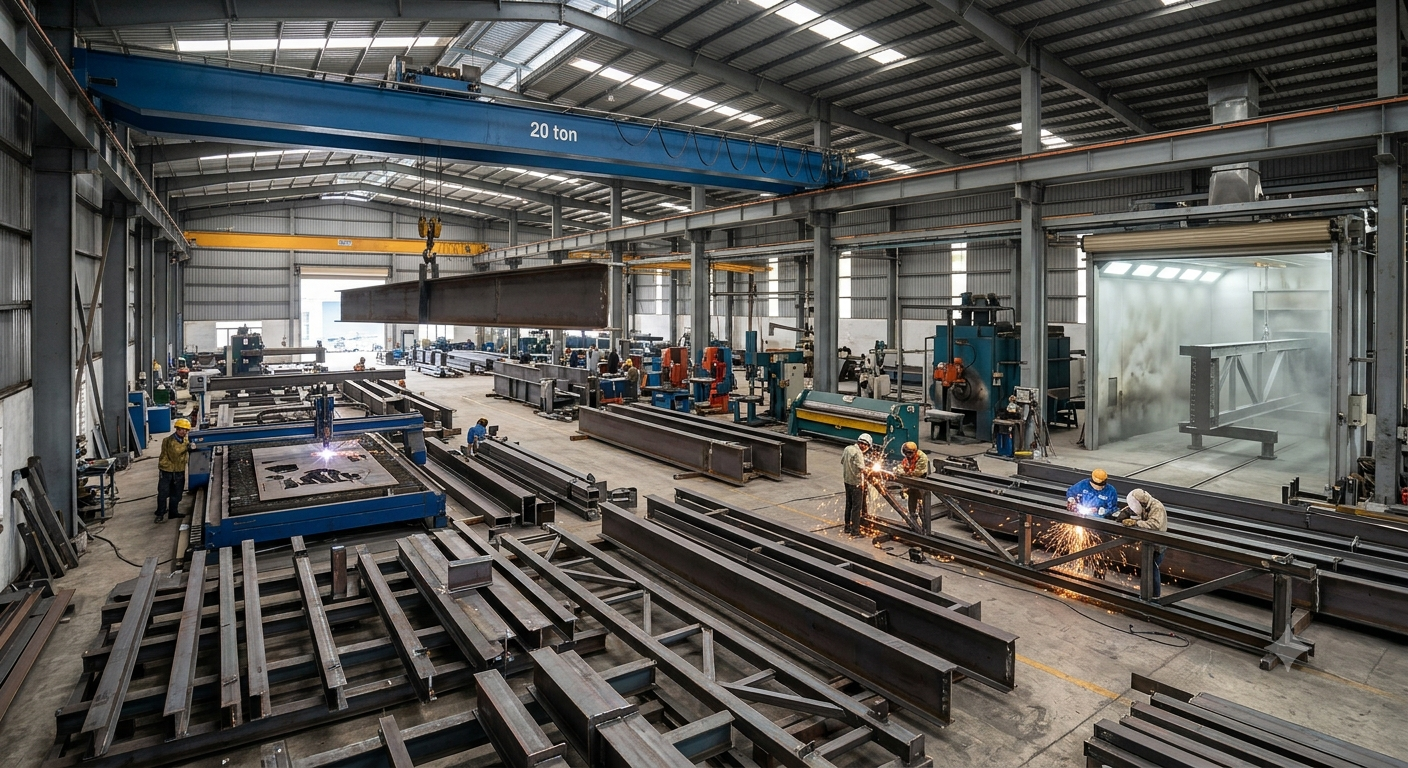
The physical scale and technological sophistication of a fabrication facility directly influence the quality and speed of component production. Modern industrial plants rely heavily on automated or semi-automated machinery, such as CNC plasma cutting machines, automatic submerged arc welding systems, and heavy-duty overhead cranes. When inspecting a fabrication plant, one should look at the workspace layout and the maintenance standards of the equipment. A well-equipped workshop minimizes human error, ensures uniform weld quality, and accelerates the steel structure fabrication timeline. Furthermore, adequate indoor storage space for raw steel plates and finished components prevents weather-induced corrosion before assembly begins on-site.
Practical Experience Through Completed Factory Projects
Past performance remains one of the most reliable indicators of future success. Reviewing a portfolio of previously executed factory buildings provides tangible proof of an organization's engineering expertise and project management capabilities. It is beneficial to examine whether the contractor has successfully delivered projects of similar scale, complexity, and industry specialization, such as heavy manufacturing plants, chemical processing facilities, or logistics warehouses. Experienced teams are better equipped to navigate unexpected site conditions, supply chain fluctuations, and stringent local regulatory requirements without compromising structural safety or project milestones.
Technical Inspection and Steel Product Quality Control Process
Quality assurance is paramount in industrial construction because structural failures can lead to catastrophic losses. A rigorous quality control framework must be embedded into every phase of production, from raw material procurement to final dispatch. Investors should inquire about the specific testing methods employed during manufacturing, such as non-destructive testing (NDT) for welds, ultrasonic testing, and dimensional checks. Establishing strict quality gates ensures that every column, beam, and truss meets engineering specifications and international safety codes before leaving the workshop floor.
Quality Control Process from Raw Materials to Finished Products

A comprehensive quality management protocol begins long before any cutting or welding takes place. Reputable fabricators source raw materials only from certified mills and perform incoming material inspections to verify steel grade, thickness, and mechanical properties against mill test certificates. Throughout the manufacturing stages, dedicated quality control personnel monitor cutting accuracy, assembly alignment, and welding penetration. Once individual members are completed, trial assembly procedures are often conducted to verify that all connection points, bolt holes, and interface dimensions align perfectly, eliminating costly on-site modifications during erection.
Surface Cleaning and Anti-Corrosion Protection Technology
Industrial environments can be highly corrosive, making proper surface preparation and protective coating vital for the longevity of steel components. Mill scale, rust, and oil residues must be thoroughly removed from the steel surface before any paint system is applied. Advanced fabrication facilities utilize automated shot blasting or sandblasting systems to achieve a pristine surface cleanliness standard, typically Sa 2.5 or higher. Following surface preparation, specialized anti-corrosion primers, intermediate coats, and topcoats are applied under controlled environmental conditions to ensure optimal film thickness and adhesion, safeguarding the investment against harsh weather and chemical exposure.
Frequently Asked Questions About Choosing a Steel Structure Fabrication Unit
Important Notes to Ensure Project Progress and Costs
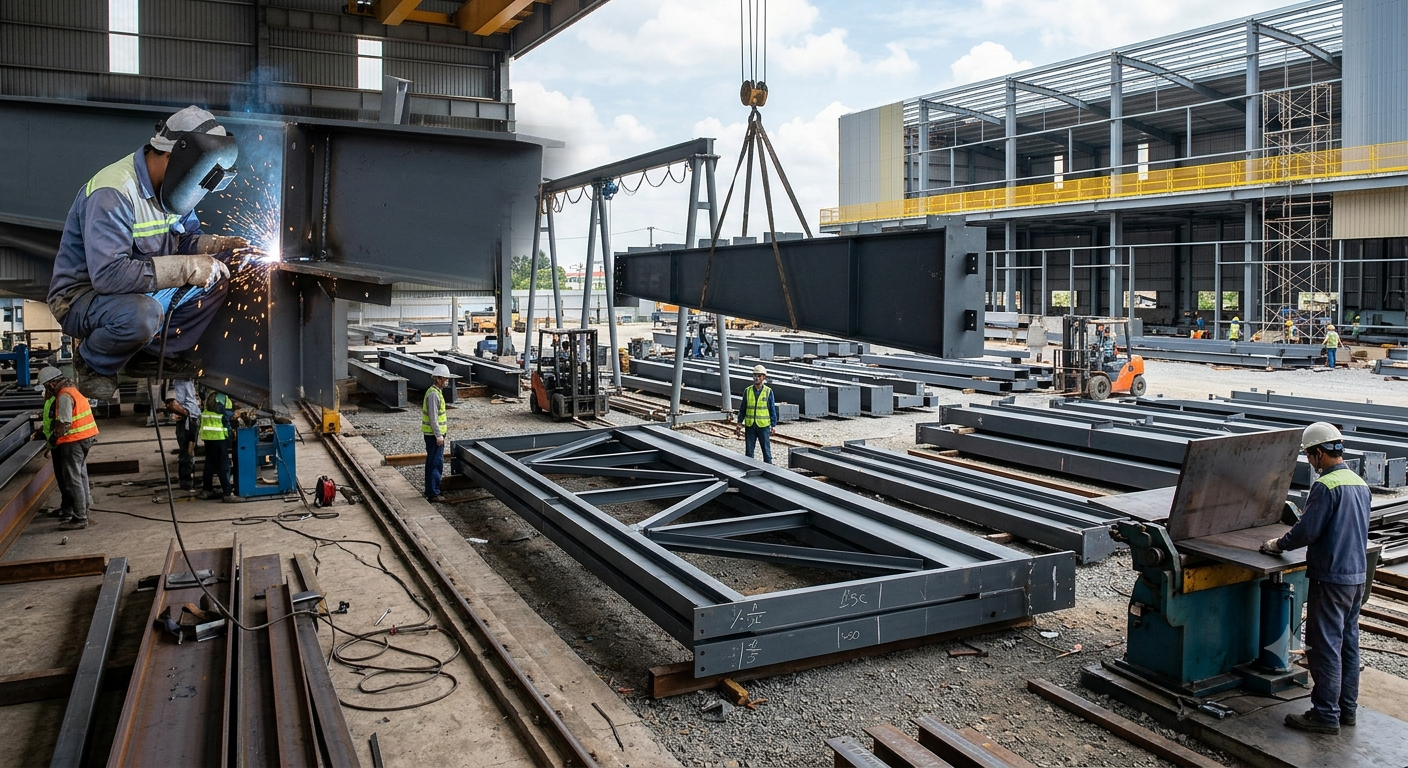
Managing a large-scale construction project successfully requires continuous monitoring and proactive communication between the investor and the chosen contractor. Clear contractual terms regarding delivery schedules, payment milestones, material specifications, and warranty provisions must be established and agreed upon before work commences. Furthermore, maintaining a flexible yet disciplined approach to change-order management helps prevent unexpected budget expansions. Regular site meetings and progress reports ensure that any emerging issues are addressed swiftly, keeping the project aligned with both financial targets and operational deadlines. By carefully selecting a competent fabrication partner and maintaining transparent oversight throughout the lifecycle of the build, investors can achieve a durable, high-performance industrial facility that supports long-term business growth.
Contact information
CÔNG TY TNHH SẢN XUẤT & XÂY DỰNG AP
Address: 348/9 Ung Văn Khiêm, phường Thạnh Mỹ Tây, TP.HCM.
Hotline: 028 7300 3868
Email: design-quotation@apmnc.net, business@apmnc.net
Website: apmnc.net